Pages

Thursday, April 2, 2026

The Beauty of Latin American Holy Week


Viacrucis Aquatic, Granada Nicaragua

Holy Week in Latin America, Semana Santa, is a spiritually intense time and this spiritual

intensity is reflected in the beauty of its rituals.  This article provides links to a few that

are among the most spectacular of these.


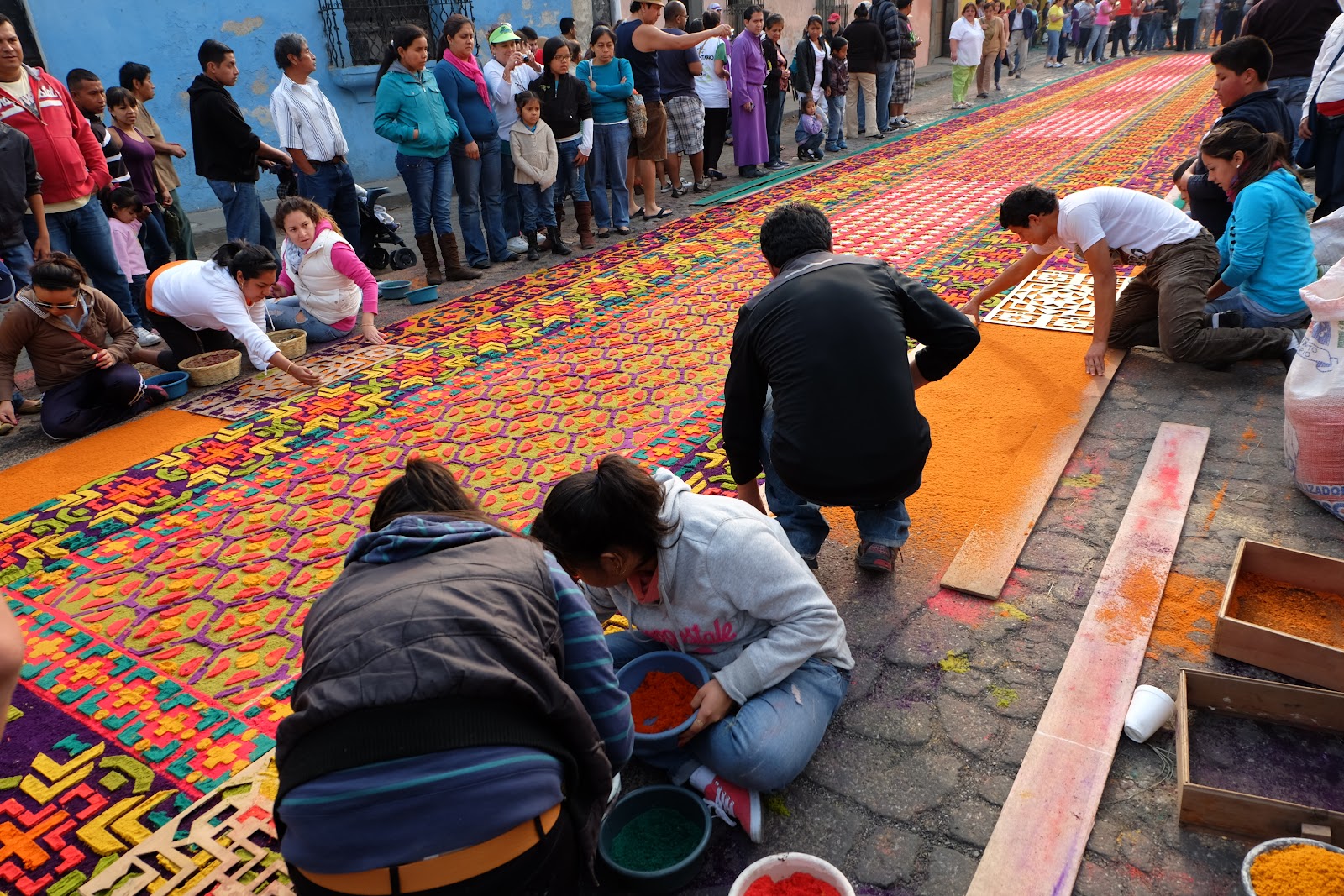
The sawdust carpets of Antigua Guatemala are world famous.  Created as a holy surface for 

the religious processions to walk over their stunning beauty is short-lived.


,
Huertos, which translates as orchards, are elaborate structures made of fruits, vegetables and 

palm leaves, meant to symbolize an earthly paradise.  


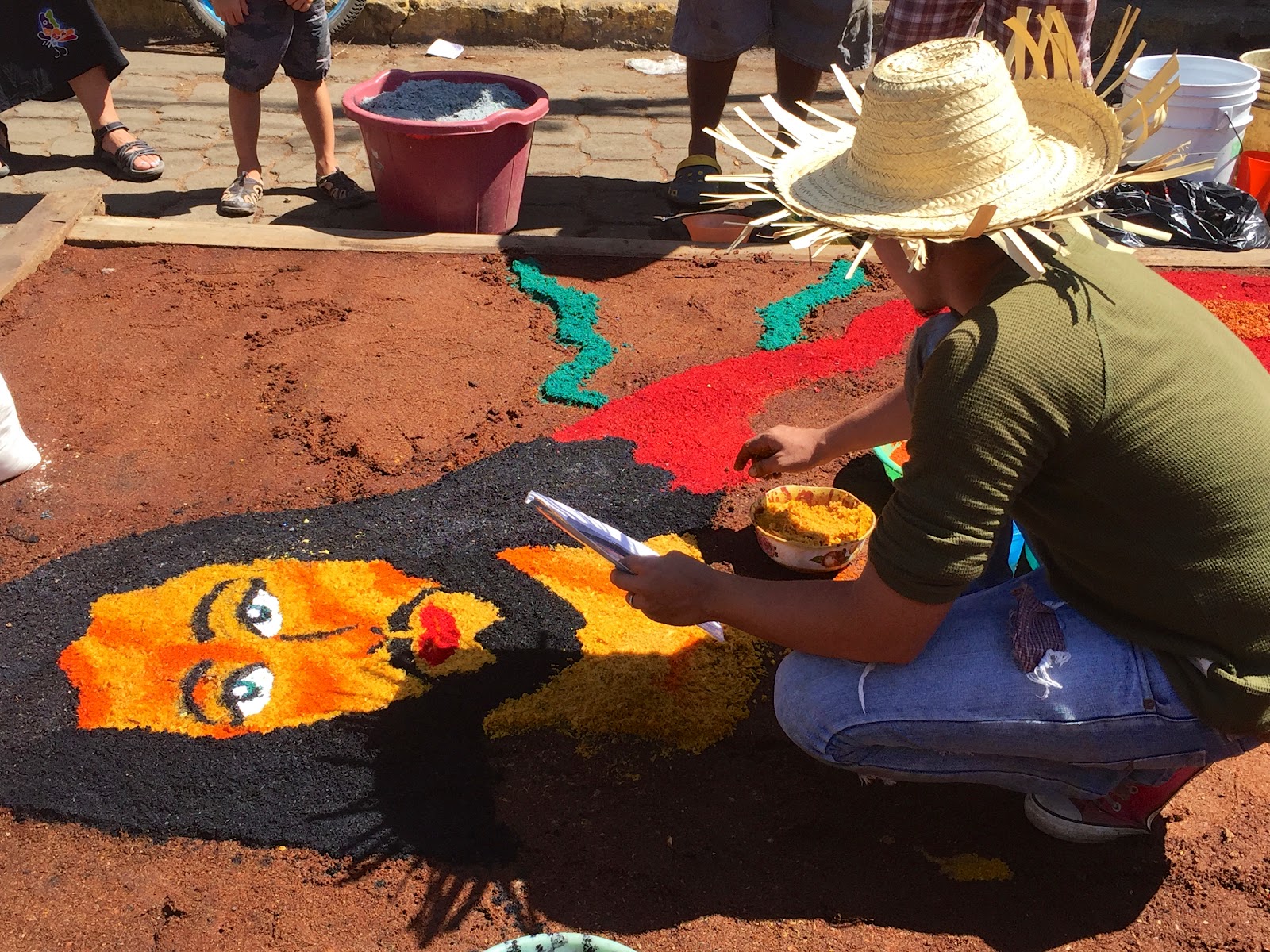
The sawdust carpets of Sutiava in Leon, Nicaragua are very different from those of Antigua.


The Via Crucis Aquatic of Granada, Nicaragua is a unique event.  It is one of very few Stations

of the Cross performed on water in boats.

Wednesday, October 29, 2025

Dia de los Muertos: An Overview

Pomuch Campeche MX

Dia de los Muertos, the Day of the Dead, is celebrated throughout Mexico.  The holiday, which combines elements of Christian belief and practice with indigenous elements, runs from October 31-November 2, although in practice Dia de los Muertos events and preparations begin well before the designated dates.

Celebrations in all areas of Mexico involve the belief that during the days of the Dead, the boundary between the living and the dead becomes  permeable and the dead return to the sphere of the living with the invitation of the smells of special foods, flowers   and incense that are arrayed on altars built for them.  What is most interesting is how the customs vary from place to place. 

The linked article below has several links that will take you to articles and videos about the  unique celebrations of Dia de los Muertos in different areas of Mexico. Please take alook.

https://colonialmexicoinsideandout.blogspot.com/2017/10/a-dia-de-los-muertos-odyssey.html


Monday, September 29, 2025

Hidden New Mexico


Jose de Gracias Church, Las Trampas, New Mexico


Taos High Road, rock formation


North of Santa Fe is a road that leads back in time.  The Taos High Road winds its way  

through old  New Mexican towns like  Truchas, Cordova and Las Trampas.  In each of these 

places there is an old adobe church.  In the last two weekends of September, the High Road 

comes to life with the annual High Road Art Tour.  The church in Las Trampas is open to the 

pubic, though no photos of the interior are permitted.  The little church in Truchas is beautiful

and an  of the colonial New Mexican style. It is not open to the public, but I received special 

permission to photograph within it.  

This link will take you to an article about this rarely seen uniquely New Mexican colonial 

church.


https://colonialmexicoinsideandout.blogspot.com/2017/07/new-mexican-gem-of-taos-high-road.html


Friday, April 18, 2025

The Unique Holy Week of Central America


Via Crucis Aquatic-Granada, Nicaragua 
 

Holy Week in the Central American countries of Guatemala and Nicaragua is similar to that in other parts of the Latin American world, but also very different. Nowhere else will you find the elaborate sawdust carpets, Huertos (elaborate gardens constructed of fruits and vegetables) or a Good Friday Via Crucis in boats on the water.


The sawdust and floral carpets created during Lent and Holy Week are unparalleled. These carpets are created on streets before the passage of a religious procession and are meant to be destroyed as they are walked on by the procession.  They are a gift to the divine.  Antigua, Guatemala is world-famous for its carpets.

https://colonialmexicoinsideandout.blogspot.com/2015/03/the-anatomy-of-sawdust-carpet-lent-in.html

The carpets of Barrio Sutiava in Leon, Nicaragua are very different from those of Antigua.

https://colonialmexicoinsideandout.blogspot.com/2017/05/art-as-sacrifice-sawdust-carpets-of.html

This video, shot in Antigua, Guatemala takes an in-depth look at these carpets and their construction.

https://colonialmexicoinsideandout.blogspot.com/2015/03/video-available-sawdust-and-floral.html

                                        ___________________________ 


Huertos are spectacular displays of fruits and vegetables constructed in churches and, in Nicaragua, in special structures built for the occasion.  The word huerto translates as vegetable garden or orchard and they symbolize the abundance and redemption of the resurrection. 

https://colonialmexicoinsideandout.blogspot.com/2017/04/the-huertos-of-guatemala-and-nicaragua.html

                                       _____________________________

On Good Friday, throughout the Christian world, the Via Crucis, Stations of the Cross is performed publicly.  In Granada, Nicaragua there is a completely unique Via Crucis in boats on the city's Lake Nicaragua.   

https://colonialmexicoinsideandout.blogspot.com/2018/04/via-crucis-aquatic-granada-nicaragua.html

                                      _______________________________

Nandaime, Nicaragua is a small country town that has a celebration that turns the ancient purification ritual of self-flagellation on its head.  In Nandaime on Holy Wednesday each year for one hour, participants roam the streets good-naturedly whipping anyone in their path. It did sting a bit, but was interesting to be there.

https://colonialmexicoinsideandout.blogspot.com/2016/04/taking-hit-holy-wednesday-in-nandaime.htm

                                          ___________________________________                                                                     

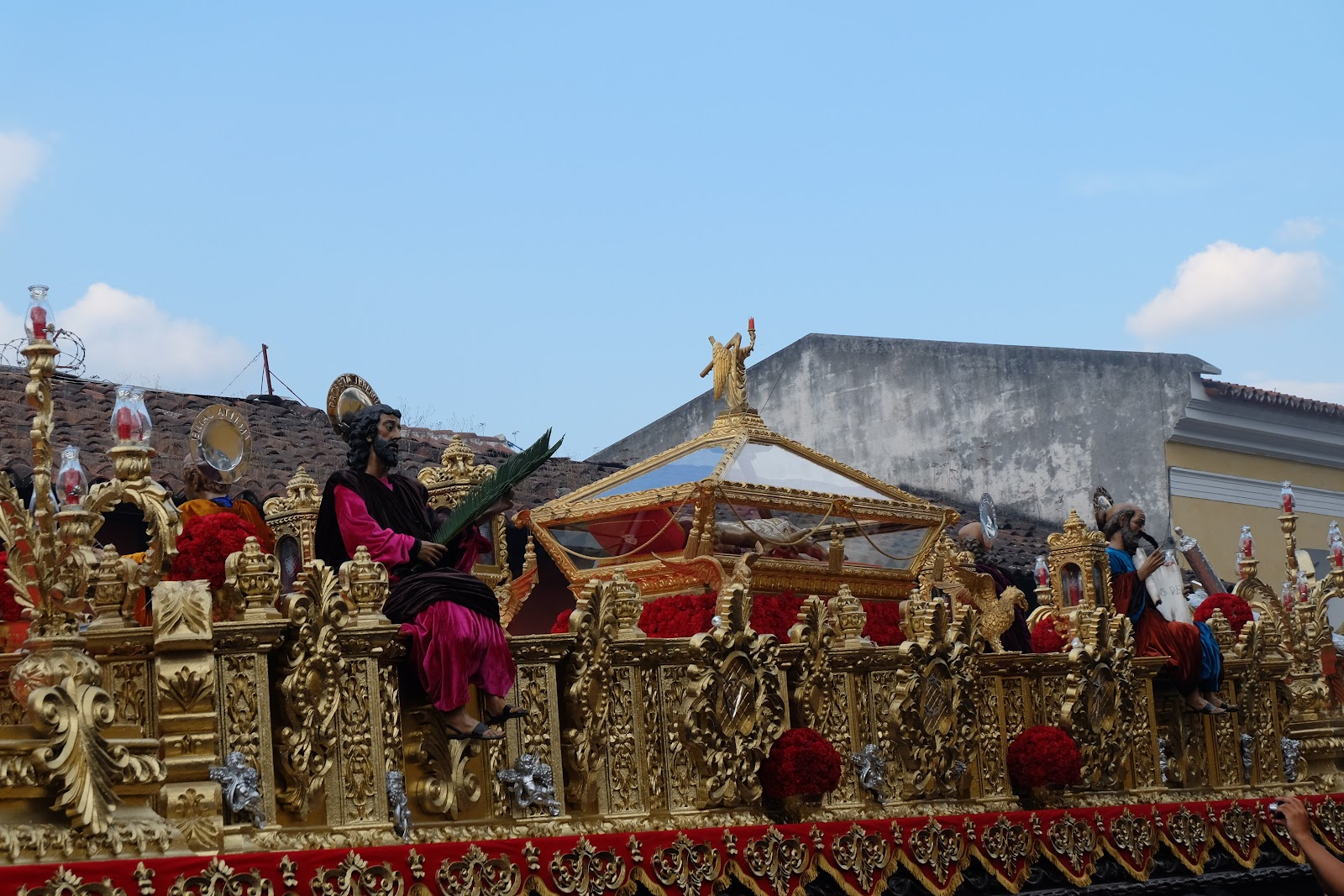
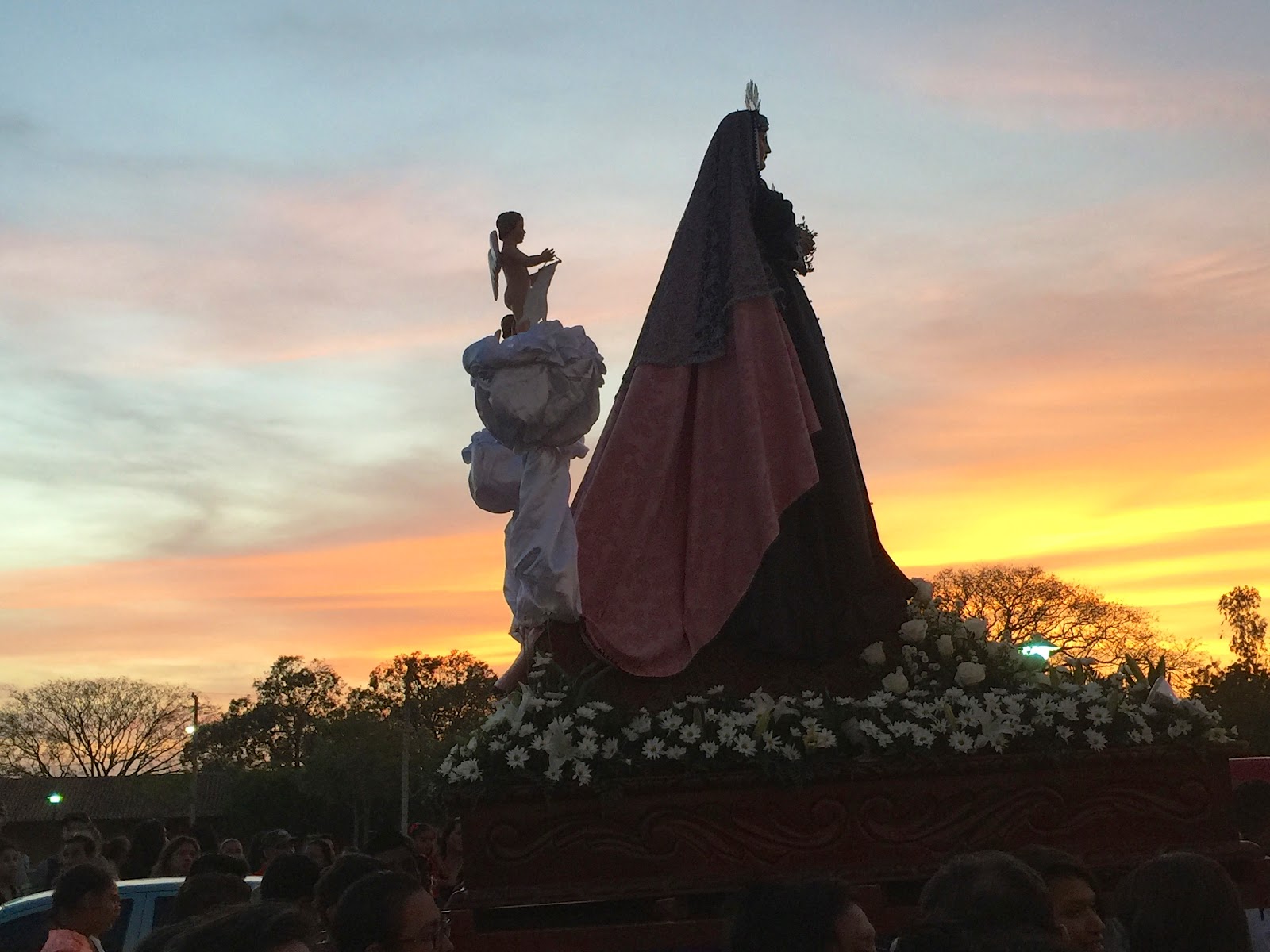
Antigua Guatemala is world-famous for its spectacular Holy Week processions. Here is one that took place on the day before Easter, an important day in the Latin American world.

https://colonialmexicoinsideandout.blogspot.com/2015/04/video-holy-saturday-procession.html

                                        ____________________________________

Bands are a central part of processions.  Special music has been composed for them over the years. In essence they are funeral bands.  

https://colonialmexicoinsideandout.blogspot.com/2018/05/the-music-of-holy-week-processions.html

Wednesday, December 11, 2024

The Day of Guadalupe

                                                                         Guadalupe

Although Dial de los Muertos, the Day of the Dead, may be Mexico's most famous holiday, tomorrow is equally important. On December 12, throughout Mexico, is the festival of Guadalupe.  Actually, the festival has been in motion long before this culminating day, with pilgrims rushing to reach their goals.  Some head for the official Shrine of Guadalupe in Mexico City.  Others head to their home churches, but all are striving  to fulfill a promise made to Guadalupe that they would make a pilgrimage in honor of a prayer she has fulfilled. 


Guadalupe is the Patron Saint of Mexico and her day is a national holiday.  The time surrounding the holiday is dynamic, colorful and deeply moving in its depth of religious commitment and passion. The following post describes  journeys made by pilgrims in observation of the festival.

https://colonialmexicoinsideandout.blogspot.com/2017/12/the-race-for-guadalupe.html

Celebrations of Guadalupe's day differ from region to region,. The next article shows a colorful and beautiful celebration of the festival in a small beach town on the Yucatan Peninsula's "Riviera Maya".  

https://colonialmexicoinsideandout.blogspot.com/2017/02/guadalupe-in-paradise.html


Sunday, March 24, 2024

Nicaragua's Holy Week Gems


Constructing a Huerto, Diria, Nicaragua

Nicaragua has not been as well-known a site for Holy Week tourism as Guatemala.
Yet, the observances there are beautiful and several, the Aquatic Stations of the Cross, the good natured penitential floggings of Nandaime and the magnificent huertos, you won't see anywhere else.  Below is a link to  compilation of writings of Holy Week events in Nicaragua. 


Monday, December 11, 2023

Guadalupe's Day


Tomorrow, December 12,  is the Feast Day of the Virgin of Guadalupe Mexico's Patron Saint. It is one of the most important days in the Mexico being both a religious and national holiday.
Much of Guadalupe's feast day involves believers reaching a destination (Guadalupe's Shrine in Mexico for some, a home church parish for others) to fulfill a promise to undertake a pilgrimage in thanksgiving for some favor bestowed upon them by Guadalupe. 

Here is a compilation of articles from this blog about Guadalupe and her story :


Tuesday, December 5, 2023

Fine Dining for the Dead


Hanal Pixan Altar, Izamal, Yucatán, MX 2023


Hanan Pixel Altar, Akumal, Quintana Roo, MX

In the Maya-speaking states of Quintana Roo and Yucatán, in Mexico, Dia de los Metros, the Day of the Dead, are known as Hanal Pixán.  Hanal and Pixán, respectively, mean food and soul and the Maya language and used together, the phrase means "food for the souls".  This is literally the point of all Day of the Dead celebrations, whether in the Maya lands or in central Mexico,  The idea is to provide food (and drink) for the deceased to encourage them to return to the land of the living for an annual visit, maintaining a link between the living and the dead.


There is one dish that is characteristic of Hanal Pixán altars that you will not find in other parts of Mexico. That is mukbil pollo which translates as "buried chicken"; the dish is also called "pibes".  Mukbil Pollo is a chicken tamale wrapped in banana lives and cooked in a hole in the ground; the realm of the dead. It has a distinctive smokiness due to the way it is cooked.


Mukbil Pollo


The thing is that living people also like Mukbil Pollo.  It has a wonderful smoky aroma and taste because of the way it is cooked-wrapped in banana leaves and cooked in an open fire underground. Several years ago, I had the dish in a restaurant in Izamal during the time of Hanal Pixan. Hoping for a repeat, I drove the three hours to Izamal from my home base in Quintana Roo, since Mukbil Pollo is generally not available commercially'. It typically s cooked in homes for the express purpose of the altars.

Arriving in Izamal, a fascinating town with a rich colonial colonial history and the beautiful 16th century monastery of San Antonio de Padua, I began my inquiries. They turned up nothing.


,,
Convento of San Antonio de Padua, Izamal Yucatán


Izamal, Yucatán


Street scene, Izamal, Yucatán, showing monastery wall

Finally, someone told me about a woman with a tricycle cart who sold mukbil pollo, daily, proving my point that the dish attracts the living as well as the dead. Asking as I went, I found her street and then her house.  Peering in her house, I could see the pibes (same as Mukbil Pollo). 


House interior, Izamal, Yucatan 


Mukbil Pollo orders for Hanal Pixán altars, Izamal, Yucatán

Counting the orders of Mukbil Pollo, Izamal, Yucatán


The woman was a good businesswoman and had her grand-daughter tally orders to see if there was spare for me.   As she counted the orders, I decided not to to take food out of a dead person's mouth, thanked her and told her to hold onto her orders in case one was needed for a last-minute altar.

Back on the street I started, once again, making my inquiries.  I was in luck- a restaurant down the block, the finest in the town, was serving mukbil pollo to living humans.   I'd managed to stumble into Izamal's fine-dining establishment, the beautiful Restaurant Kinich Izamal. 

 Kinich's special for the day- it was November 1, the second day of Hanal Pixán- was none other than Mukbil Pollo.  The portion was huge, as one is typically split by a whole family.  I'm not sure if it was actually cooked in the traditional way, stuck in a fire in a hole in the ground, but it was close enough.


Restaurante Kinich Izamal


Mukbil Pollo, R Kinich, Izamal, Yucatan

A sizable box of left-overs in hand, I walked back to my car for the 3 hour return trip.


Wednesday, June 21, 2023

Before There Was Columbus

Prince Henry the Navigator 

We all owe this man, who you probably never heard of, a big thank you.  Infante Dom Henrique, who became known as Prince Henry the Navigator (1394-1460) was the fourth child of King John I of Portugal  He was to become a pivotal figure in the history of maritime exploration, credited with starting the Age of Discovery.

Fighting the Moors in the Muslim port of Ceuta in Northern Africa opened his eyes to the potential of Subsaharan trade routes. This, in turn, led to a general fascination with Africa and desire to explore its trade possibilities.

He established  a School of Navigation in the furthest southwest part of Portugal, Sagres. His goals were to find new trade routes to Africa and along the way to establish alliances against Muslim power.  In those days, Sagres was, literally, the end of the world.  What lay to its west, no one knew. According to the legends that abounded there were sea monsters and the waters at times boiled- no one was interested in finding out if these things were true or not.                           


Cliffs, Sagres Portugal


Navigational device Sagres Portugal, possibly associated with navigational school of Prince Henry


Fort of Sagres, purported location of School of Henry the Navigator

Henry's goal was to demystify this great body of water and set the stage for exploration.  He gathered the best minds of the time in navigation, cartography, shipbuilding and other maritime disciplines.  This maritime "think tank" is usually called the "Sagres Navigational School", although the exact location of this school or its precise details are not known.  Local guides will tell you that the school was associated with the Fortress of Sagres, but there is no proof that this was its physical location. By report, the school was very strict and fear and superstition were not tolerated.

Enter Christopher Columbus. His interest was in sailing west across the Atlantic to Asia. Portugal saw some basic flaws in this plan ( more about that in another post) and would not support him. Spain did and the rest is history.

It has been claimed that Columbus trained at the Sagres school of Henry the Navigator. There is no proof that he was ever a student of its rigorous curriculum, but he was influenced by the climate of the intensive Portuguese exploration of the time and its advanced maritime knowledge.

 Henry did not spend his time in the courts of Lisbon, but in Sagres and the great monasteries of Portugal's Estremadura region, to the north. Henry died in Sagres and his tomb is in the Batalha Monastery.


Baltalha Monastery, Portugal


Tomb of Henry the Navigator, Batalha Monastery, Portugal

 Henry, himself, did not sail, but without him, his school, and support of maritime exploration, who knows if Columbus would have reached the New World (even if he was actually looking for India).

Perhaps we could side-step all the recent controversy surrounding Columbus Day by celebrating "Prince Henry Day", instead.  Without him Columbus might have never gotten to the Americas.


Thursday, April 6, 2023


                                                      One of a Kind Easter Celebration


A hooded man with a whip may not seem very much like Easter, but in many places in the historical Latin American and Spanish worlds, it was.  The time before Easter was a penitential time in which people attempted to purge themselves of their sins to ready themselves for the joy of Christ's resurrection on Easter Day.  Flagellation, self-whipping to cause pain, was one way. 

A completely unique twist on this ancient practice is still found in Nandaime Nicaragua on the Wednesday before Easter.  I had the privilege of viewing (and, unanticipatedly, feeling) his event first-hand. Here is this link to the article.

https://colonialmexicoinsideandout.blogspot.com/2016/04/taking-hit-holy-wednesday-in-nandaime.html


Sunday, December 11, 2022

The Feast of Guadalupe Returns Full Force

Lighted image of Guadalupe, Akumal MX
                                                             

In 2020 and 2021 all activities in Mexico, including religious ones,  were limited because of the pandemic.  This year they have mostly returned to their pre-covid form,  including the feast of Guadalupe patron saint of Mexico.  There are some new regulations such as the requirement to wear masks inside Guadalupe's main basilica in Mexico City, but the traditional observances are back.  The return of this beloved celebration is expected to draw record crowds, which does pose logistical problems, as laid out in these two articles.   

https://mexiconewsdaily.com/news/basilica-of-our-lady-of-guadalupe-in-mexico-city-anticipates-record-number-of-pilgrims/      

https://mexiconewsdaily.com/culture/guadalupes-pilgrims-an-annual-logistical-challenge-for-the-capital/                                                 


The period right before December 12, the feast day of Guadalupe is a spiritually intense as well as busy one, as pilgrims rush to reach their destinations by the night of December 11.

Car of a Guadalupe pilgrim in Yucatán


Guadalupe pilgrims at a stop along route in  Quintana  Roo, MX


These pre-pandemic articles from this blog offer a unique look at the Guadalupe celebrations  in places far from the Mexico City shrine.  

https://colonialmexicoinsideandout.blogspot.com/2017/02/guadalupe-in-paradise.html 

https://colonialmexicoinsideandout.blogspot.com/2017/12/the-race-for-guadalupe.html


Friday, April 15, 2022

Semana Santa is Back


Good Friday Procession, Antigua Guatemala

For the past two years, because of the Covid pandemic, many Latin American countries cut back or eliminated Semana Santa (Holy Week) celebrations.  This year most of this vivid  pageantry is back on schedule.  

In the United States, Easter observances are subdued and more or less private, interior events, although there is communal worship.  In Mexico and Latin America, observance is more public and enacted rather than being a matter of solely personal devotion.  This brings the events of Holy Week, the time directly leading up to Jesus' crucifixion and resurrection, to life. The vivid displays are moving and unforgettable.  


                                              Building Sawdust Carpets, Antigua Guatemala


Procession, Antigua Guatemala

Good Friday Procession, Leon Nicaragua

Sawdust Carpet under construction, Leon Nicaragua

If you are unfamiliar with Semana Santa celebrations, I invite you to explore them through these links:


One of a kind Holy Wednesday tradition rooted in medieval penitential practices: https://colonialmexicoinsideandout.blogspot.com/2016/04/taking-hit-holy-wednesday-in-nandaime.html 


The beautiful floral/plant/vegetable displays created for Holy Week:

The beautiful sawdust carpets of Nicaragua and their significance. 

Granada Nicaragua's  picturesque and one of a kind Via Crucis (stations of the cross)  done on Lake Nicaragua in boats, 

Sunday, December 12, 2021

Guadalupe is Back


The Feast of Guadalupe, the celebration of the country's patron saint, is a national holiday in Mexico.  Although nearly everyone has heard of Guadalupe, the days that make up her celebration are less known outside of Mexico.  The days right before December 12, the actual  date of the celebration, are filled prayer and activity as Guadalupe pilgrims rush to reach their destinations. Last year along with most other public celebrations, Guadalupe celebrations were 
not permitted and her Mexico City shrine was closed on the holiday.  This year, festivities were back and pilgrims flocked to the Mexico City shrine as well as other places  dedicated to Guadalupe.

I have written about this fascinating, spiritually intense time in Mexico:

https://colonialmexicoinsideandout.blogspot.com/2017/12/the-race-for-guadalupe.html


Monday, November 8, 2021

Dia de los Muertos was Back- Almost


Dia de los Muerrtos, Oaxaca 


Like the first crocus of spring, Mexico's Dia de los Muertos, cautiously poked its head from the virtual world of 2020.   Many big celebrations such as Mexico City's Parade were back full force.  In other places such as Oaxaca and Patzcuaro some caps on celebration were in place. For instance, in Oaxaca the beautiful and moving observations in cemeteries were allowed.  The comparsas, the massive parades led by groups of musicians and singers, were not permitted.  Celebrations in Patzcuaro were not open to the masses of photographers and tourists who normally flock there. 


Dia de los Muertros, Oaxaca


                                                            Dia de los Muertos, Chiapas
 
For those of you who are new to this phenomenally beautiful way of reckoning with death
please follow the link below for my introduction to Dia de los Muertos observations throughout Mexico.

Friday, May 7, 2021

Is it Time to Travel Outside the US?


The EU recently decided to welcome back US travelers this summer, if they are vaccinated.   The invitation is enticing, but digging deeper there is a lot of complexity as the following article spells out.

https://www.nytimes.com/2021/05/05/travel/covid-vaccinated-travel-reality.html?referringSource=articleShare


                                                          Oceanfront, Quintana Roo, MX
                                                          

Having recently traveled to Mexico, I can share my own experiences.  First off I was not traveling there for pleasure; I had property that needed looking after. Plus the area to which I traveled is familiar to me.  Despite this I normally would manage to have a wonderful time there and explore to my heart's content.

This trip felt different. It was still my tropical paradise, the same in many ways, yet different.

Akumal Bay, Akumal MX


                                                        Store entrance, Playa del Carmen, MX


Everywhere there were reminders of the pandemic, like the entrance to the local Sam's Club in near-by Playa de Carmen in the photo above.  Most stores took customers' temperatures as they entered and dispensed hand sanitizer.  Masks were required and many people wore them in the street, as well.  

Businesses were very serious about sticking to guidelines, This included the entrance to the road where the local dive shop is located.  As I drove past the guard, he took my temperature with me sitting in my car and, sprayed my hands with sanitizer and only then let me drive on. The whole transaction was kind of  comical, because the hand sanitizer made no sense given the situation.

I appreciated all of the precautions, but they were all reminders that these were not "normal" times, unless you are talking about the "new normal", which may not be what you are looking for in your travel.
 

Restaurant, Akumal MX


                                       Unemployed Workers, Playa del Carmen, MX

Apparel offerings included masks.

                                                          Upscale store in Cancun Airport

Then, there was the Covid test required of all travelers re-entering the US.   At least at the time (about a month ago)  being fully-vaccinated  as I had been since January, did not get you off the hook.  Not that the test is any big deal, but a positive test result would have meant being forced to stay in Mexico another ten days.  Visions of being locked in a  quarantine hotel in Cancun for a false positive test flashed in front of my eyes.

Just to be careful,  I did not eat out in the area's wonderful restaurants, but did what I had been doing in the US, take-out.  I was more cautious than many visitors, but I really wanted to get back home and knew that, on occasion,  vaccinated people can test positive. I probably overdid the caution, because plenty of people were out there having fun and they all got back home.

                                                              Take-out, Mexican style

Rulings on testing vaccinated travelers may change as countries open up and promote tourism.  All of this is in media lingo, a fluid situation, and there is much to be sorted out by the powers that be.

Before I would travel abroad, I would find out rules and restrictions in my particular destination.  No one wants to board a long flight and discover everything is closed  when they get there.  There are online resources for this.  For instance, I googled "what is open in Paris now?" and found this website offering complete information the city.
According to this site, many of the iconic destinations in the city are off-limits for right now and I'm sure it is that way in many other place. Doing your homework before booking a trip is essential. After all, who wants to get to the Louvre and find a closed sign?


Thursday, December 24, 2020

Christmas Drinking, Mexican-Style


                                                                     Ponche Navideño

The time between the Feast of Guadalupe on December 12 and the arrival of the biblical Three Kings on the Feast of Très Reyes (January 6),has evolved into a non-stop alcohol-fueled fiesta known as the Guadalupe-Reyes Marathon.  You can read about this "event'  and its origins at:

https://colonialmexicoinsideandout.blogspot.com/2020/01/a-20th-century-institution-guadalupe.html

If you personally, would like to do some Mexican-style imbibing this holiday season, here are a few recipes to brighten your celebrations. https://mexiconewsdaily.com/mexicolife/rompope-ponche-navideno/

Saludos!


Wednesday, December 9, 2020

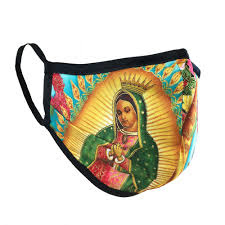
Will Guadalupe Be Wearing a Mask?

Normally, the week leading up to December 12, the feast day of Guadalupe, is a beehive of activity in Mexico.  Pilgrims are rushing to her shrine in Mexico City or, where that is not possible, to their home churches.  All must arrive before 12 am the morning for December 12 for the special service dedicated to Guadalupe. 

Many people travel great distances, on foot, by bicycle, motorcycle, car or a combination of these. You can read about this unique and vibrant time in Mexico in this article.


Closed for Business:

                                                        Shrine of Guadalupe, Mexico City, MX


Because of Covid, Holy Week and Dia de los Muertos have been different this year.
Guadaupe's Feast is also going virtual.  In fact, the doors to the Mexico City Shrine of Guadalupe will be closed from December 10-13 to prevent the usual crowds from congregating.   


Since Guadalupe's official shrine will be closed for the holiday, some people are celebrating there on a different date or redefining the meaning of a their pilgrimage there.
 It will be interesting to how Mexicans in other parts of Mexico observe the event.